Affordable Dumpster Rentals for Your Home or Commercial Requirements
Budget-friendly dumpster leases offer efficient solutions for managing waste in both home-based and business undertakings. Many individuals and companies overlook the advantages of these services, often resulting in inefficient waste disposal. By understanding important elements like cost and capacity choices, customers can make informed choices that correspond with their needs. Exploring the nuances of rental agreements and nearby companies will reveal valuable insights into optimizing waste management strategies. What factors should one remember when taking this decision?
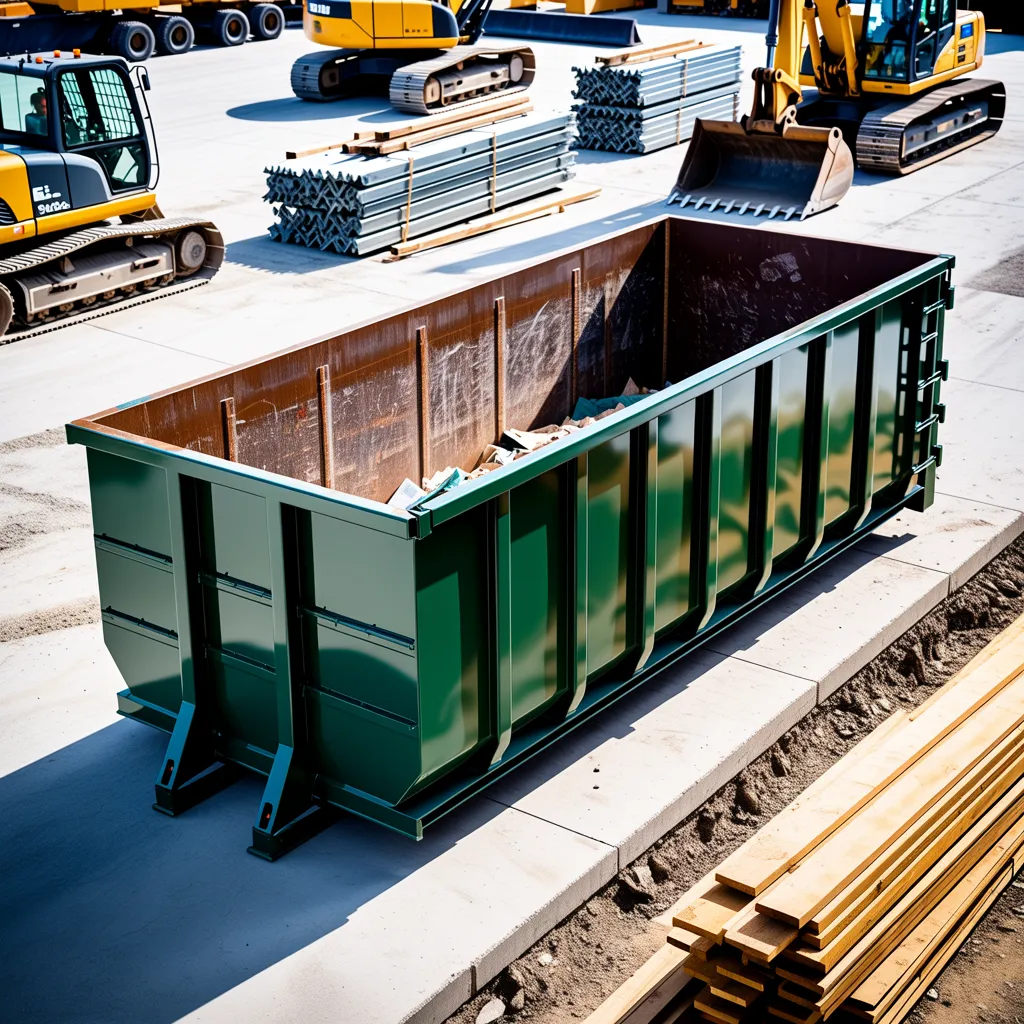
Essential Reasons to Hire a Dumpster for Your Project
When planning a task, whether it's a home renovation or a large cleanup, many persons overlook the practicality of renting a dumpster. Getting a dumpster streamlines waste disposal, making it possible for the streamlined discarding of debris and unwanted stuff. This can notably save time, as it eliminates the need for multiple trips to a landfill.
Additionally, a designated space for waste guarantees that the work area stays organized and safe, reducing the risk of accidents. Many projects produce more waste than anticipated, and a dumpster provides the flexibility to manage unexpected debris without added stress.
Additionally, hiring a dumpster tends to be more affordable than other waste disposal methods, particularly for expansive projects. All in all, utilizing a dumpster boosts project efficiency, advances safety, and simplifies the cleanup process, making it a prudent choice for property owners and construction professionals alike.
Factors Impacting Dumpster Rental Costs
Many key elements determine the fees charged for dumpster rentals. The volume of the dumpster selected, the period of the lease, and the availability of access of your site all constitute major factors in calculating complete fees. Learning these factors can allow people in taking informed decisions when obtaining a dumpster for their jobs.
Dumpster Size Determination
How can selecting the appropriate dumpster size impact pricing? Picking an suitable dumpster size is essential for managing costs effectively. Smaller dumpsters typically have lower rental fees, rendering them an budget-friendly choice for small projects, such as cleanouts or remodeling. On the other hand, larger dumpsters, while pricier, hold substantial debris from large-scale construction or commercial projects.
Overestimating size can lead to excessive costs, while underestimating may cause extra rentals. Additionally, some companies charge for weight limits, so the volume of waste also affects overall pricing. Consequently, understanding the project's scope and waste type is essential for choosing a dumpster that reconciles both capacity and expense, ensuring that the lease stays affordable and practical.
Impact of Lease Duration
Determining the appropriate dumpster size is only one element influencing rental costs; rental duration also plays a vital role. The length of time a dumpster is needed directly affects the overall price, as most rental companies charge on a daily or weekly basis. Longer rental periods typically build up higher fees, which can vary based on the provider's pricing structure. Additionally, some companies offer discounted rates for extended rentals, making it important to compare options. Customers should consider their project timelines and waste disposal needs when determining the rental duration. Ultimately, understanding how rental duration impacts costs can help individuals and businesses save effectively for their disposal needs, ensuring they avoid unexpected expenses.
Location and Access
The location where a dumpster is situated heavily influences rental pricing. Accessibility plays a crucial role; dumpsters positioned on private property or driveways tend to incur lower fees compared to those on public streets. Permits may be required for dumpsters placed on streets, increasing the total cost. Furthermore, how close the rental company’s facility is can impact transportation expenses. If the dumpster is located far from the rental provider, fuel costs will rise and may be charged to the customer. Also, urban areas with higher traffic congestion tend to have higher prices due to logistical challenges. In conclusion, understanding the dumpster’s location and accessibility is vital for read this article accurately evaluating rental costs and making informed decisions.
How to Discover Cost-Effective Dumpster Rental Services
Locating budget-friendly dumpster rentals requires careful consideration of local providers and their offerings. By evaluating prices and services, individuals can discover the best deals offered in their region. Additionally, checking for seasonal discounts can result in significant savings on rental costs.
Compare Regional Providers
How can one effectively evaluate local services to obtain affordable dumpster rentals? First, individuals should collect quotes from various companies, confirming they ask about all fees, including delivery, pickup, and any potential overage charges. Next, examining customer reviews and ratings can give insights into service quality and reliability. Additionally, it is beneficial to check the range of dumpster sizes offered, as this can impact pricing based on particular project needs. Comparing rental durations may also reveal more cost-effective options, as some providers offer discounts for longer commitments. Finally, local promotions or package deals can further enhance affordability, making it crucial to consider all available options before selecting.
Review Seasonal Discounts
Do hidden savings exist for those who make the effort to examine seasonal offers on dumpster rentals? Many rental companies offer discounted pricing during quieter seasons or specific seasons. For instance, spring and fall often see increased competition among providers, leading to decreased rates. Additionally, festive periods or local events may spark exclusive deals. Customers stand to benefit by researching online, signing up for emails, or tracking social media pages of local rental services. Speaking with providers might also uncover unadvertised discounts. By taking initiative and planning their rental, individuals and businesses can substantially lower costs, simplifying the process to oversee waste disposal without overwhelming their finances.
Steps to Pick the Optimal Dumpster Size for Your Project
Determining the appropriate dumpster size for a project can significantly affect performance and budget. The initial step is to assess the volume of trash generated. Small undertakings, including home cleanouts, generally need a 10 to 15 cubic yard dumpster, while larger renovations may demand 20 to 30 cubic yards. For commercial operations, sizes can span from 30 to 40 cubic yards, based on the nature of substances being thrown away.
Next, consider the kind of waste material. Heavy substances, like concrete or dirt, may necessitate a more compact, purpose-built container due to load restrictions. Additionally, understanding the project timeline can aid in determining the right dimensions; longer projects may gather more refuse.
Lastly, speaking to a dumpster company can offer helpful guidance. They can recommend dimensions drawing from past client feedback and specific project details, ensuring that the chosen dumpster aligns with individual needs and budget constraints.
Essential Tips for Selecting Local Dumpster Leasing Services
When looking for local dumpster rental options, it’s crucial to consider several major elements to guarantee a hassle-free process. First, review the company's standing; online ratings and endorsements can offer perspectives into their dependability and customer service. Next, examine the variety of options offered, confirming they can accommodate unique project requirements, such as multiple dumpster sizes or types. It's also crucial to examine pricing structures, as some companies may charge additional costs that can raise costs unexpectedly. Additionally, inspect for appropriate licensing and insurance to verify compliance with local regulations and coverage against liabilities. Finally, inquire about drop-off and collection times to confirm they coordinate with project timelines. By applying these measures, individuals can identify a local dumpster rental service that satisfies their demands reliably and quickly.
The Best Method to Fill Your Dumpster Effectively
Maximizing space in a dumpster requires thoughtful loading techniques. First, individuals should break down large objects, such as furniture and appliances, to create more room. This practice allows for better stacking and efficient use of vertical space. Next, heavier materials should be placed at the bottom, offering a stable base and preventing lighter items from being crushed.
Implementing a structured strategy, such as filling gaps with smaller fragments and guaranteeing balanced weight placement, can enhance spatial efficiency. Additionally, it is advantageous to arrange items in layers, with level materials at the bottom and bulkier items on above.
Securing the load with a tarp can also help ensure items remain secure during movement. Lastly, being aware of the dumpster's weight limit is essential to circumvent overloading, which can result in additional fees or hazardous situations. Implementing these techniques will enhance a more efficient and effective dumpster loading journey.
How Should You Handle Toxic Materials?
Treating dangerous substances requires diligent attention to safety standards and legal requirements. Effective disposal is vital to eliminate environmental contamination and defend public health. Individuals should first identify dangerous substances, such as batteries, paint, chemicals, and electronic waste. Once spotted, it is important to consult local regulations, as many areas have clear directives for disposal.
Many local authorities offer specific disposal sites or planned pickup times for hazardous waste. Utilizing these programs guarantees proper treatment and removal. Individuals should never place hazardous materials in standard trash containers, as this can lead to significant health dangers and regulatory penalties.
For enterprises, working with certified waste handling services is recommended. These trained professionals are trained to transport and manage such substances in compliance with compliance rules. Observing these guidelines promotes safety and also encourages involvement in environmental care. By complying with these protocols, enterprises and companies can appropriately control hazardous waste.
Frequently Posed Questions
What Types of Materials Can I Get Rid of in a Dumpster?
Various items can be thrown away in a dumpster, including household debris, construction waste, yard waste, furniture, and appliances. However, hazardous materials, chemicals, and certain electronics are typically prohibited due to safety standards.
What Period Can I Store the Rented Dumpster?
Usually, rented dumpsters can be held for a duration ranging from a few days to several weeks, subject to the rental contract. Extended usage may incur additional fees, so checking conditions is advisable.
Do Dumpster Rentals Have Weight Restrictions?
Yes, dumpster rental services typically come with weight restrictions that differ by provider and dumpster size. Exceeding these limits may cause extra charges or limitations, so it's essential to verify detailed requirements with the rental company beforehand.
Can I Obtain a Dumpster Lease for Tiny Home Work?
Yes, individuals can lease dumpsters for small home projects. Many rental companies provide different sizes suitable for tasks like decluttering, remodeling, or landscaping, ensuring an efficient way to manage debris and waste removal.
What Happens if I Surpass the Rental Time?
Surpassing the rental period typically leads to extra charges. The rental company may charge a per-day cost, accumulating costs until the dumpster is brought back. It's recommended to reach out to the company to discuss options.